
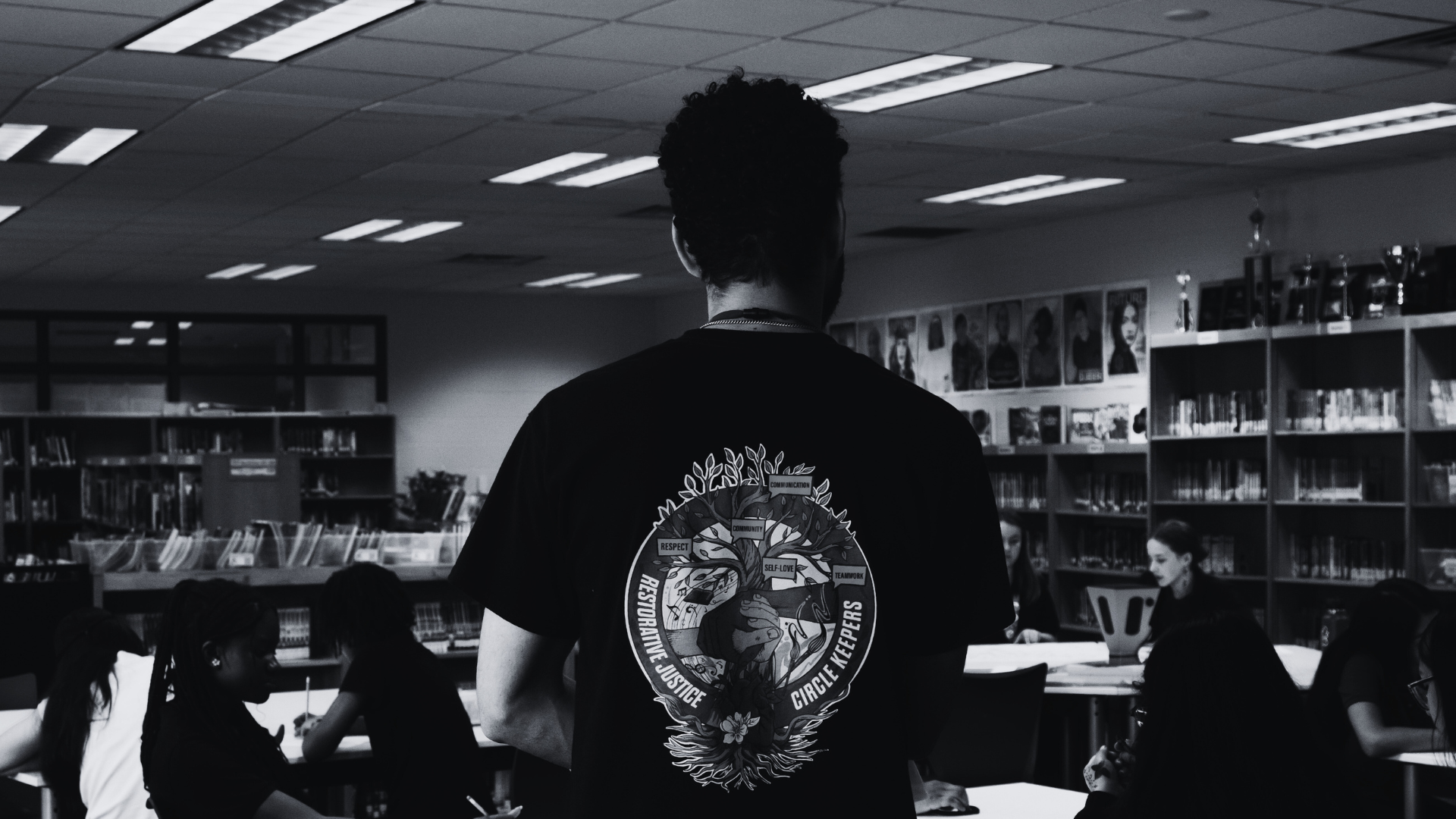
Restorative Justice
Restorative Justice is an approach to community-building, conflict transformation, repair, and culture shift that centers the humanity of all. Through our Restorative Justice Programs, we create spaces and offerings in schools, workplaces, and community sites that encourage participants to listen deeply, practice accountability, and work together toward mutual healing.
Shifting Punitive Culture Through Restorative Practice
YWCA Madison is a proud leader in restorative justice, partnering with school districts and community organizations to reshape how our community responds to conflict, harm, and community-building. For more than a decade, our restorative justice work has offered an alternative to punitive discipline and fostered powerful culture shifts rooted in interconnectedness, accountability, and collective care.
While restorative justice may feel new within many institutions, its roots stretch back centuries to Indigenous traditions centered on healing and interconnectedness. It has also been carried forward by Black activists and abolitionists whose leadership shape ongoing movements for justice and abolition.
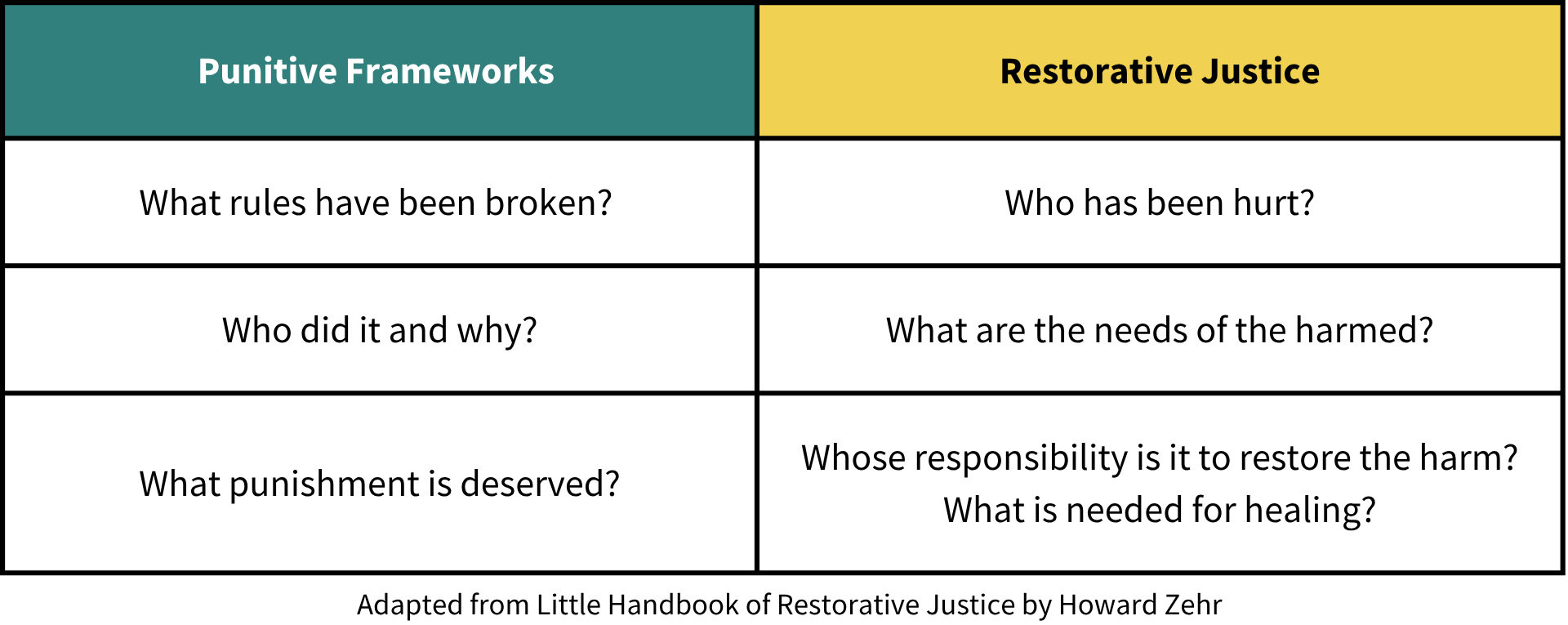
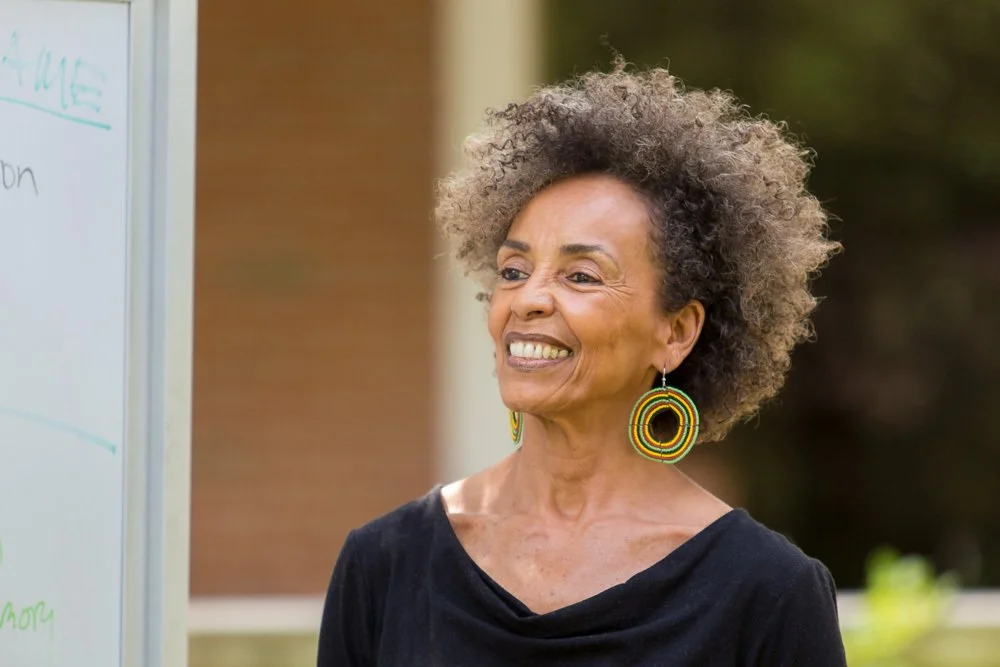
"[Restorative justice is] a justice that seeks not to punish, but to heal. A justice that is not about getting even, but about getting well. A justice that seeks to transform broken lives, relationships, and communities rather than damage them further. A justice that seeks reconciliation rather than a deepening of conflict. A justice that seeks to make right the wrong, rather than adding to the original wrong. A healing justice rather than punishing justice. A restorative justice rather than retributive justice.”
- Fania Davis, The Little Book of Race and Restorative Justice: Black Lives, Healing, and US Social Transformation
The school-to-prison pipeline refers to the pattern where students are funneled from schools into juvenile detention or other carceral systems because of harsh, punitive discipline policies and interventions in schools. This has a life-long ripple effect, creating barriers for youth and disproportionately impacting BIPOC, LGBTQ+, and disabled students.
RJ Interrupts the School-to-Prison Pipeline
How are youth pushed into the School-to-prison Pipeline?
-
Many schools rely on rigid, zero-tolerance rules that lead to and sometimes require automatic suspensions or expulsions, even for minor misbehavior. These policies remove the opportunity for relationship-building, problem-solving, and support. Instead of addressing the root causes of behavior.
Zero-tolerance practices reinforce systemic harm by escalating situations that could be resolved through care, conversation, and restorative approaches to repair harm.
-
When students are pushed out of school, they lose access to academic instruction, community connection, and supportive people such as trusted adults and friends. Suspensions and expulsions disproportionately impact marginalized students, amplifying racial, gender, and ability-based inequities. There is a pleathora of research consistently demonstrating that removing students from learning environments increases disengagement, decreases graduation rates, and heightens the likelihood of deeper involvement with the criminal legal system. Exclusionary practices create long-term consequences for youth who need support and connection, not removal. These are harmful practices, reinforcing carceral notions that people are disposable.
-
In many districts, school resource officers (police) are used to respond to conflicts, behavioral needs, or emotional distress. When police are present in schools, adolescent behavior can quickly escalate to citations, arrests, or system involvement. This disproportionately impacts Black and Brown youth, reinforcing patterns of surveillance and punishment instead of providing students with trauma-responsive and developmentally-informed care.
-
Schools often respond to student behavior without considering the impact of trauma, developmental needs, or the environments young people are navigating. Actions that reflect stress, unmet emotional needs, or normal adolescent exploration are too often treated as disciplinary violations — or even criminal offenses. This criminalization disproportionately harms Black and Brown, LGBTQ+, and disabled youth, who already experience heightened surveillance and bias in school settings. Instead of offering support, guidance, and care, these responses deepen mistrust and push students toward system involvement.
At YWCA Madison, we believe every young person is inherently valuable and deserving of safety, connection, and opportunity. Our restorative justice approach is rooted in trauma-informed and developmentally-responsive practices that honor the full context of young people’s lives. We recognize behavior as communication and maintain that youth deserve community-based support, not systems that criminalize their humanity.
Restorative Justice in Action
Restorative justice practices create structured spaces where people can speak honestly, take accountability, express their needs, and work together toward healing and repair.
Here are some of the most common restorative practices we use in schools, youth programs, and community spaces:
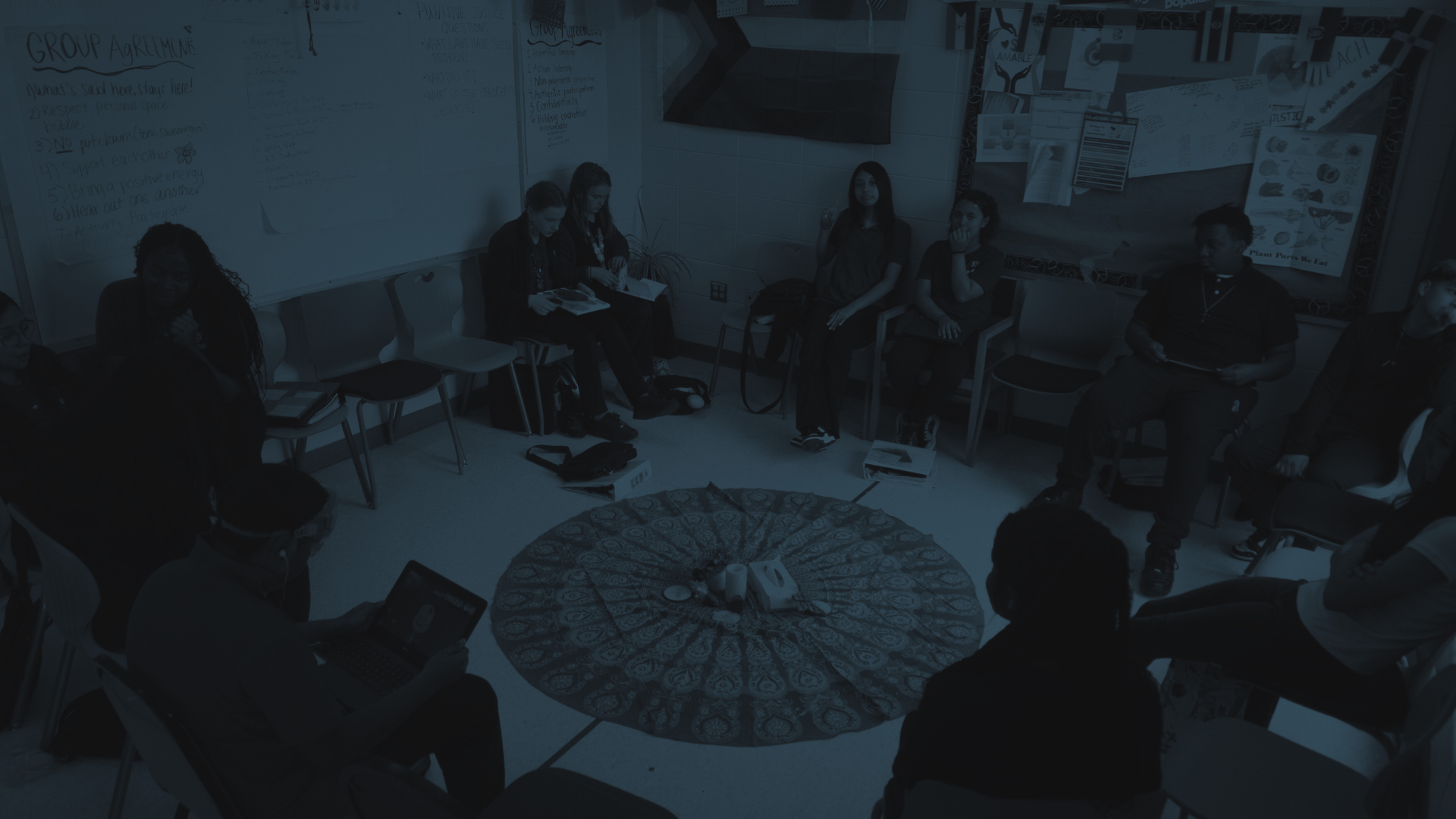
Circle
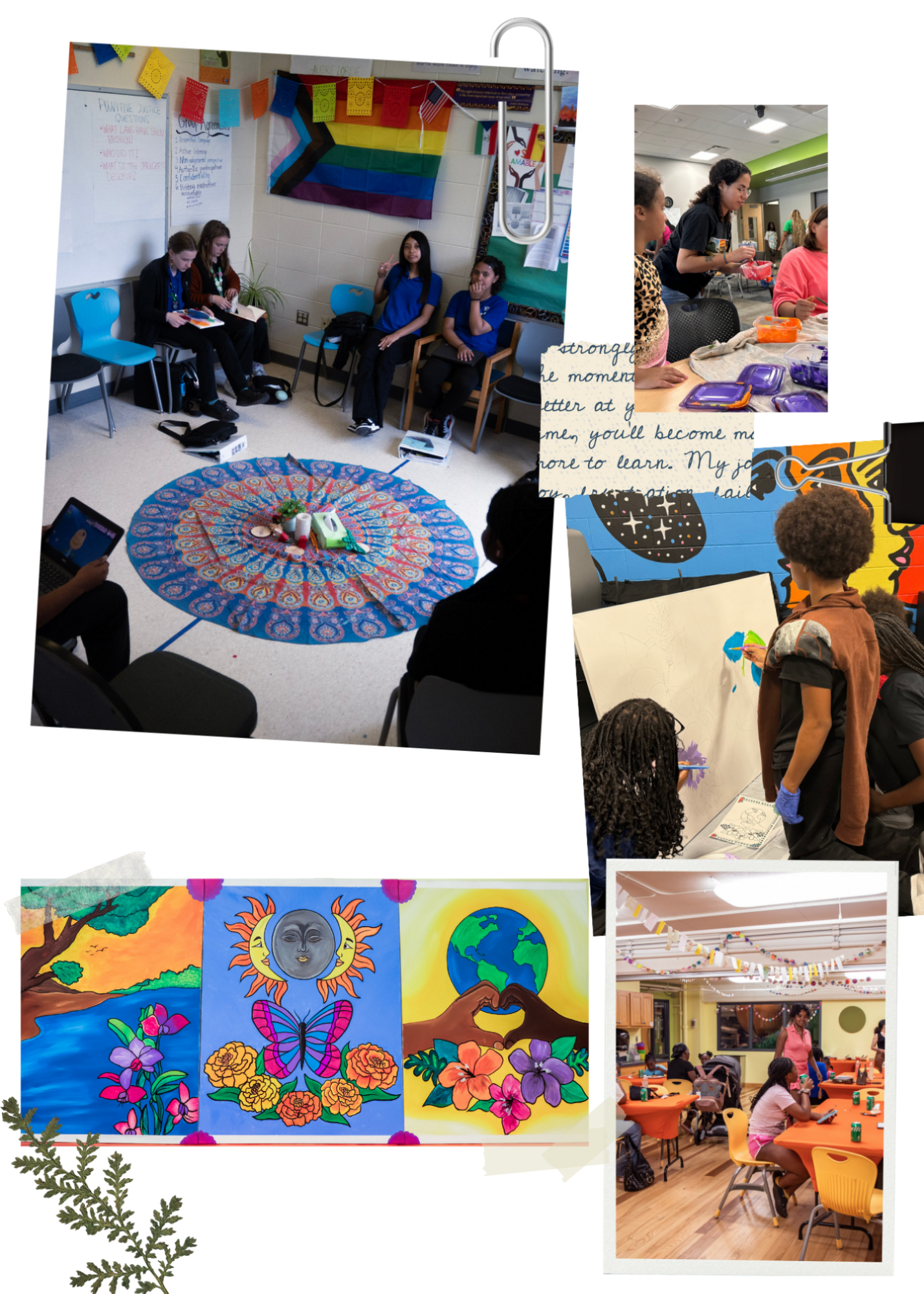
A circle is a restorative space where community members sit together, guided by shared values, to strengthen connection, build trust, and share authentically with facilitated intention. Circles help ensure every voice is honored with deep listening and presence.
Community Agreements & Consensus Building Through Storytelling
Community agreements are collaboratively created commitments that guide how a group chooses to show up with one another, rooted in shared values and lived experiences. Through consensus-building, participants explore and complexify these agreements together, shaping relationships and strengthening collective responsibility, safety, and trust. This process supports community members in practicing loving accountability and co-creating the conditions needed for deep connection.
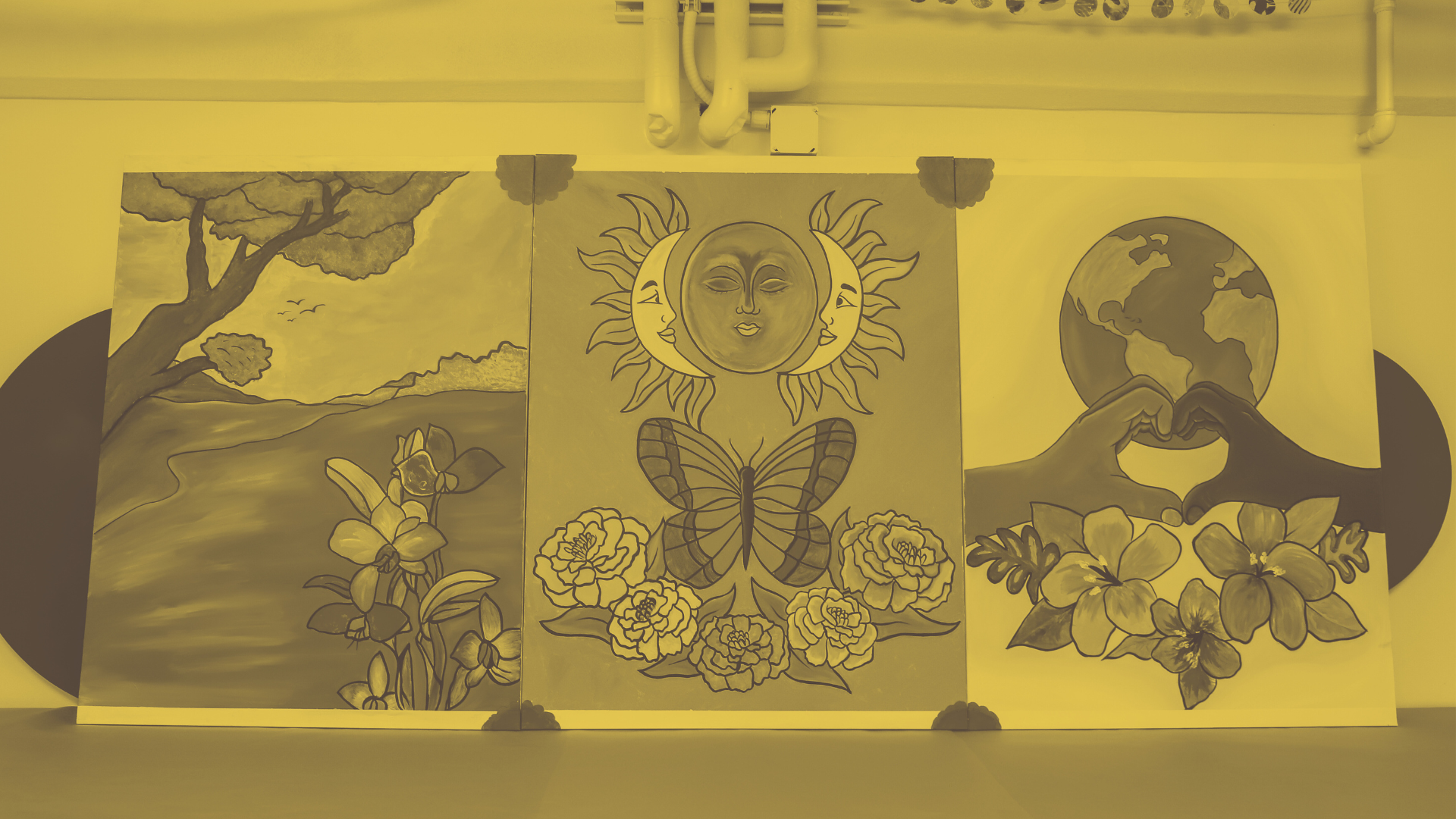
Art Expression & Reflective Processing
Restorative practices often include art, creative expression, and reflective activities that help participants explore emotions, make meaning of experiences, and engage with the restorative process in grounded, accessible ways. Creative processing encourages participants to express themselves beyond words and to share with vulnerability.

Municipal Citation Restorative justice
Every 12-16 year old issued a municipal ticket by the Madison Police is eligible to participate in restorative justice as an alternative to court.
School-Based Restorative justice
YWCA Madison’s School-Based Restorative Justice Program partners with schools across the Greater Madison area to help students and educators build community, resolve conflict, and replace punitive discipline with healing-centered, relationship-driven practices.
Community Center Afterschool Programs
Goodman Community Center, Meadowood Community Center, & Bayview Community Center